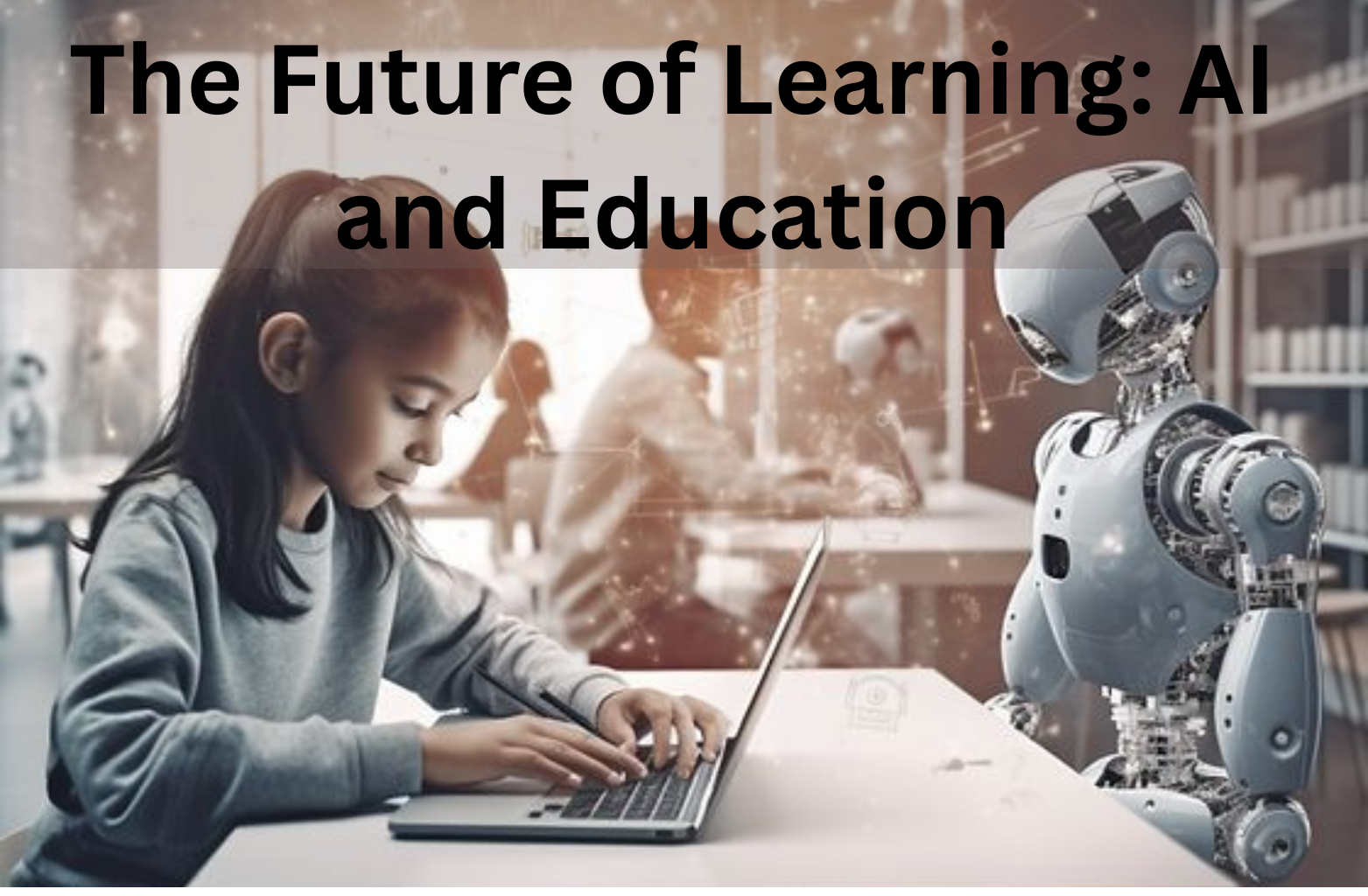
The Future of Learning is here with AI transforming education through personalized lessons, virtual classrooms, and smart content. Discover how tech is reshaping student success.
AI in education uses smart technologies to personalize learning, automate tasks, and enhance teaching efficiency. It helps tailor lessons to each student’s needs, offers real-time feedback, and reduces the workload for educators. This makes learning more accessible, engaging, and effective in today’s digital age.
How Artificial Intelligence Is Changing the Future of Learning of Students ?
The Future of Learning from artificial Intelligence is transforming how students learn by making education more personalized, interactive, and efficient. AI-powered tools adapt to individual learning styles, provide instant feedback, and help students grasp complex concepts through visual and interactive content. From virtual tutors to intelligent study apps, AI enables anytime, anywhere learning making education more flexible and student-centered than ever before.
Benefits of AI in Modern Classrooms
Top AI Tools and Technologies Used in Education Today

Will AI Replace Teachers?
AI will not replace teachers but will support them. Experts agree AI can handle tasks like grading, personalized content, and feedback, allowing teachers to focus on mentoring and emotional support. While AI enhances learning, it lacks the empathy, creativity, and real-time adaptability that human educators bring. The future lies in a balanced approach AI + teachers working together to create smarter, more engaging classrooms.
AI in Education: Opportunities for Students in Rural and Urban India
AI offers transformative opportunities for both rural and urban students in India. In urban areas, AI enhances learning through smart classrooms, personalized apps, and instant doubt-solving tools. For rural students, AI-powered mobile platforms and vernacular content can bridge gaps in teacher availability and quality education. Virtual tutors, offline learning apps, and AI-driven assessments make learning more accessible, even in remote areas. With the right infrastructure and policy support, AI can help level the playing field bringing quality education to every corner of India.
Challenges of Integrating AI in Education Systems
Conclusion
AI is reshaping the future of learning by personalizing education, automating administrative tasks, and expanding access to high-quality content. As technology continues to evolve, educators and institutions must adapt thoughtfully prioritizing equity, privacy, and human connection. When used responsibly, AI can empower both teachers and students, making education more inclusive, effective, and truly future-ready.