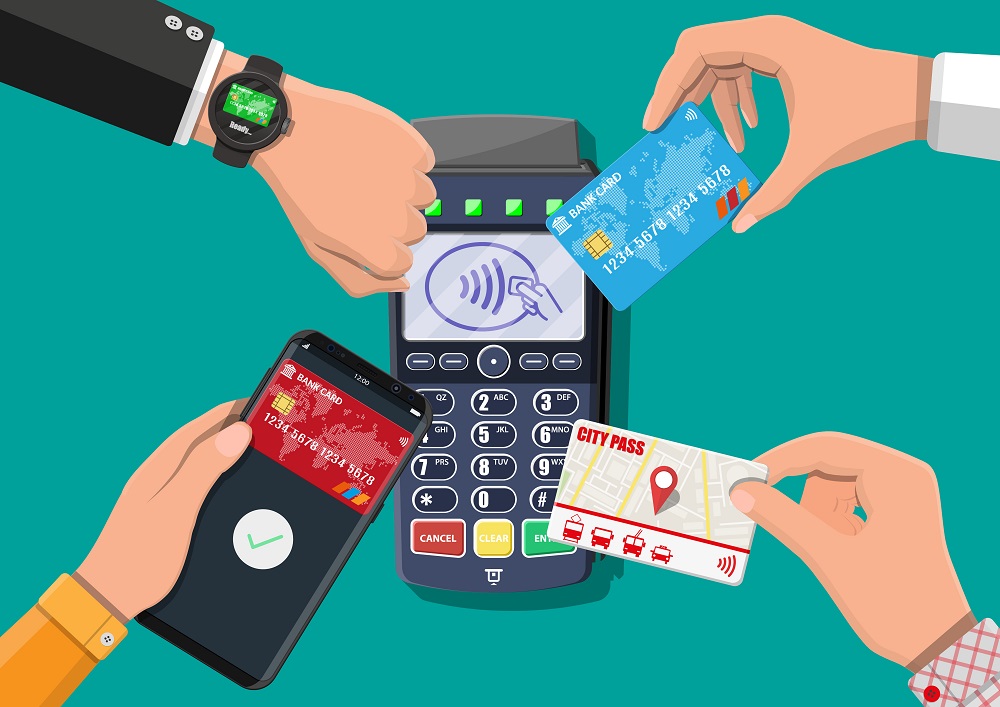
Digital payments in India are convenient but come with risks. UPI is considered safe due to strong authentication, while mobile wallets need added precautions. Common scams include fake QR codes and phishing. Staying alert and using secure apps helps protect your money.
Which Digital Payments Methods Are Most Common in India?
- UPI (Unified Payments Interface) – The most widely used method, enabling instant money transfers between bank accounts via apps like PhonePe, Google Pay, Paytm, and BHIM.
- Mobile Wallets – Apps such as Paytm, PhonePe, and Amazon Pay allow users to store money and make payments easily.
- Digital Payments -Debit/Credit Cards – Widely accepted for online and offline payments, especially on e-commerce sites and in retail stores.
- Net Banking – Used for online purchases, bill payments, and fund transfers through bank websites and apps.
- Aadhaar Enabled Payment System (AePS) – A system for financial transactions using Aadhaar authentication, especially in rural areas.
Why Digital Payments- UPI Is Considered Safe?
- Two-Factor Authentication: Every UPI transaction requires a UPI PIN and device authentication.
- Bank-Level Encryption: UPI uses strong encryption protocols to keep data secure.
- Instant Alerts: Users receive real-time transaction notifications, helping detect fraud quickly.
- RBI and NPCI Oversight: It’s regulated by the Reserve Bank of India and operated by NPCI, ensuring compliance with strict guidelines.
What Are the Most Common Digital Payments Scams in India?
- Phishing Links – Fake links mimic UPI apps to steal info.
- QR Code Scams – Scanning QR codes can send money instead of receiving.
- Fake Customer Support – Scammers pose as helpdesk agents to get sensitive data.
- KYC Fraud – Fake messages ask for KYC updates to access accounts.
- Remote Access Apps – Apps like AnyDesk used to control phones and steal money.
- Lottery/Job Scams – Victims are tricked into paying fees for fake offers.